
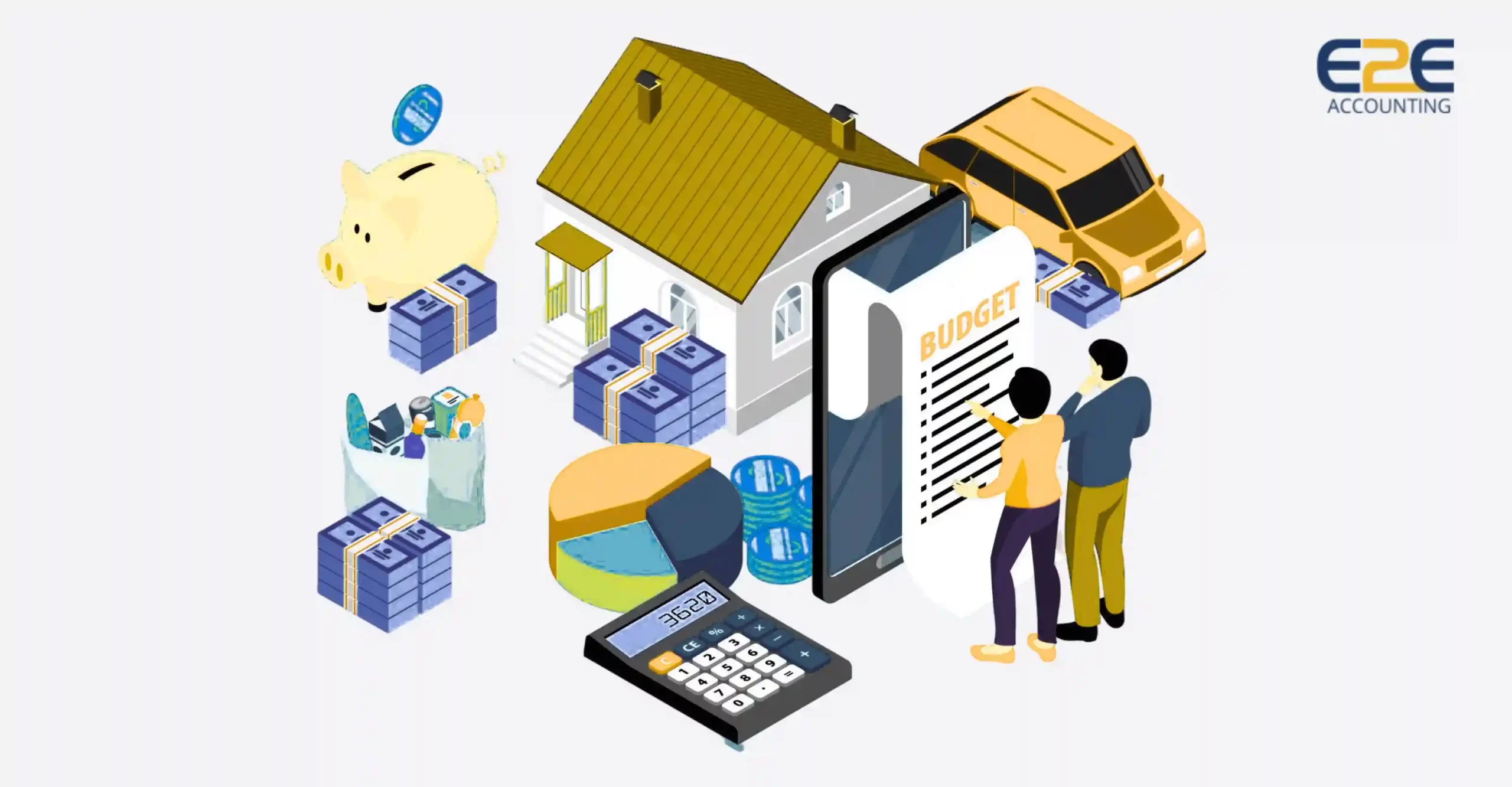
In the UK, buying or selling land and property includes more than just settling on a price. VAT on land and property sales is one of the most important financial factors. It establishes whether Value Added Tax is applicable to a transaction and how it impacts the total cost for both buyers and sellers.
The term “VAT on land and property” refers to the tax imposed on specific property-related transactions, such as the development, leasing, or sale of buildings and land. VAT may be required for some property transactions, such as sales of commercial real estate or properties where the owner has chosen to impose taxes.
Businesses engaged in real estate transactions may need to pay more attention to possible VAT changes and their effects on expenses, compliance, and financial planning in light of the June 2026 Treasury Reform. Businesses, investors, and real estate developers can make better judgments by being aware of the present VAT regulations and getting ready for potential changes. This blog explains the implications of the June 2026 Treasury Reform, how VAT is applied to land and property sales, and what businesses can do to get ready.
What Does VAT on Land and Property Mean?
The tax treatment used when companies sell, lease, or develop property assets is known as VAT on land and property. Property sales may be standard-rated, exempt from VAT, or subject to particular regulations like the option to tax, depending on the nature of the transaction.
Property developers, landlords, and companies engaged in real estate transactions should comprehend the VAT position since it might impact pricing, cash flow, and the capacity to recoup VAT on associated expenses. The June 2026 Treasury change may have additional effects on how companies handle real estate purchases and VAT planning.
When Does VAT Apply to Land and Property Transactions?
The type of property, how it is used, and whether the owner has chosen to pay taxes all affect VAT on land and property transfers. In the following circumstances, VAT may be applicable:
- Commercial Property Sales or Leases: Depending on the transaction’s VAT status, commercial property sales and leases frequently involve VAT.
- Newly Constructed Properties: Under certain regulations, VAT may be applied to the sale of certain residential properties and new commercial buildings.
- Land for Development: If the necessary requirements are met, the sale of land meant for development may be subject to VAT.
- Mixed-Use Properties: To determine the appropriate treatment, properties utilised for both business and residential reasons may need a thorough VAT evaluation.
To understand their VAT requirements and prevent unforeseen expenses or compliance problems, businesses should thoroughly examine every real estate transaction.
How Could the June 2026 Treasury Reform Affect Property Transactions?
The way that some land and property transactions are handled for VAT purposes may be significantly altered by the June 2026 Treasury reform, especially where land is being developed, sold, or utilised for particular purposes. The reform focuses on streamlining VAT regulations, lowering administrative obstacles, and providing targeted reliefs for particular property industries, even though it does not completely restructure VAT on all property sales.
- Potential Reduction in Transaction Delays: The Treasury has announced plans to update the administrative procedures related to land and property VAT regulations. The digitisation of several VAT procedures, such as those related to choosing to tax commercial property, is one anticipated improvement.
Currently, there can be issues with property completions if VAT treatment is not confirmed promptly, particularly for:
- Commercial property sales
- Property investments
- Lease transactions
- Development projects involving multiple parties
A more streamlined process could allow transactions to progress faster with fewer compliance issues.
- Impact on Commercial Property Sales: Since February 2023, HMRC has not issued acknowledgement letters confirming a tax option. The only evidence a notifier receives is HMRC’s automatic response email, which must be retained. Four practical problems in commercial real estate deals result from this:
- No independent verification: Since there isn’t a central register that buyers may search, they are unable to verify whether a property has been chosen.
- Evidence is in the seller’s possession: Sellers may not be able to meet the buyer’s due diligence requirements if their records are lacking.
- Delays in completion: option to tax confirmations are written into legal drafting as required evidence, so gaps in the paper trail hold up exchange
Businesses must still thoroughly examine every transaction, though, as VAT treatment is contingent upon a number of circumstances, including the type of property, its use, and whether or not a tax option has been chosen.
Support for Social Housing Development: Introducing a zero-rate VAT treatment for specific land purchases meant for social housing development is a significant proposal that was unveiled in June 2026. Reducing obstacles to housing providers purchasing land for new social houses is the goal of the initiative.
If implemented, this could:
- Reduce upfront development costs for housing providers
- Improve the financial viability of social housing projects
- Encourage more land to be brought forward for affordable housing
Businesses Should Review Property Strategies: Businesses shouldn’t assume that every property sale will immediately profit from the reforms, even though they may make some aspects of property taxation simpler. Developers and property owners ought to examine:
- Existing VAT elections
- Planned property disposals
- Development timelines
- Commercial lease arrangements
- Potential VAT recovery opportunities
Before completing major transactions, professional VAT assistance may be necessary, especially when high commercial property values are involved.
Can You Recover VAT on Land and Property Transactions?
The type of property, how it is utilised, and whether the transaction is subject to VAT all affect the amount of VAT recovered on land and property transactions. VAT-registered businesses may be eligible to recover VAT paid on building, renovation, or real estate purchases, but only in cases where the VAT is related to taxable business operations.
When VAT Recovery Is Possible
VAT recovery may be available in situations such as:
- VAT-registered businesses buying commercial property: If a company purchases commercial real estate and uses it for VATable purposes, it may be eligible to recover the VAT paid.
- Property development projects: When a completed property is meant for a taxable sale or VATable rental, developers may be able to reclaim VAT on building, refurbishment, and associated professional expenditures.
- Opting to tax a property: VAT may be applied to certain property suppliers when a property owner decides to tax them, potentially recovering associated VAT expenses.
- Commercial property leasing: Companies that charge VAT on rental income and lease properties may be eligible to recover VAT on related costs.
- Mixed-use properties: Depending on the percentage of usage, a property that is utilised for both taxable and exempt activities may be eligible for partial VAT recovery.
Situations That Can Restrict VAT Recovery
Certain situations may limit or prevent VAT recovery, such as:
- Exempt property transactions: When a property is utilised exclusively for VAT-exempt operations, like as residential property rentals, VAT is typically not recoverable.
- Residential property use: Unless certain reliefs or exclusions apply, VAT recovery is frequently limited when properties are utilised for private residential purposes.
- Non-business use: VAT on property used for personal or non-commercial purposes is typically not refundable.
- Mixed taxable and exempt activities: Only a portion of the VAT may be recovered by businesses that engage in both taxable and exempt activities under partial exemption regulations.
- Incorrect VAT treatment: Rejected claims or payback requirements may arise from failing to implement the proper VAT regulations, such as by mistakenly choosing to tax or claim VAT on exempt supplies.
Before completing a purchase, sale, or development project, businesses engaged in land and property transactions should examine VAT recovery prospects to make sure expenditures are handled appropriately.
VAT on Land and Property: Practical Considerations by Sector
Property Developers and Investors
When purchasing land, developing properties, or overseeing rental portfolios, investors and property developers must take VAT into account. Development expenses for taxable activities may be eligible for VAT recovery; however, residential and exempt properties may be subject to limitations.
To prevent unforeseen expenses, precise VAT planning and record-keeping are crucial. Businesses can manage property accounting, VAT compliance, and reporting needs with the assistance of specialised property management accountants.
Construction Businesses
VAT on materials, subcontractor expenses, and development projects must be carefully managed by construction companies. Recovery is dependent on whether the work is related to VATable operations, as there may be limitations for residential and exempt projects.
Construction companies may handle CIS obligations, maintain VAT compliance, and enhance financial management by working with seasoned construction accountants.
Common VAT Mistakes in Land and Property Transactions
VAT mistakes in real estate transactions can lead to unforeseen expenses, fines, and lost prospects for recovery. Typical errors consist of:
- Applying the wrong VAT treatment: Inaccurate VAT charges may result from not knowing if a property sale or lease is taxable, exempt, or zero-rated.
- Failing to consider opting to tax: Future transaction costs and VAT recovery may be impacted if the decision to tax is not reviewed.
- Claiming VAT incorrectly: Businesses may face difficulties with HMRC if they reclaim VAT on expenses associated with non-business or exempt activity.
- Poor record-keeping: Supporting VAT claims may be challenging if contracts, invoices, and VAT documentation are incomplete.
- Ignoring VAT implications during planning: Businesses may have unforeseen financial consequences if they fail to take VAT into account early on in real estate purchases, developments, or sales.
What Should You Review Before Buying or Selling Land?
A Practical VAT Due Diligence Checklist:
Businesses should go over important VAT factors before finalising a land acquisition, such as:
- Whether the transaction is zero-rated, exempt, or subject to VAT.
- If there is a tax alternative available for the property.
- Is it possible to collect VAT on associated expenses?
- The property’s VAT history and prior transactions.
- Contracts, bills, and documentation to guarantee accurate VAT handling.
How to Prepare for Future VAT Changes
To be in compliance with evolving legislation, businesses should periodically assess their property transactions and VAT procedures. Reducing risks and preventing unforeseen VAT expenses can be achieved by keeping correct records, keeping an eye on HMRC developments, and consulting experts.
How E2E Accounting Supports Property and Construction Businesses
For real estate and construction companies, E2E Accounting offers specialised accounting support that helps them handle intricate financial needs like bookkeeping, reporting, and VAT compliance.
E2E Accounting’s expertise in the real estate and construction industries enables companies to manage cash flow, keep accurate records, and enhance financial visibility while adhering to evolving requirements.
E2E Accounting offers customised solutions that let companies concentrate on their projects and expansion, from property accounting and VAT support to construction bookkeeping and CIS requirements.
Conclusion
Due to the various regulations that are applicable depending on the type of property, usage, and transaction structure, VAT on land and property transfers can be difficult. Before purchasing, selling, or expanding real estate, businesses can prevent expensive errors and enhance their financial planning by being aware of the proper VAT treatment.
It will continue to be crucial to be educated and keep correct records as VAT requirements change. Businesses can handle their VAT responsibilities with more assurance and clarity by closely examining transactions and consulting experts as necessary.
FAQs: Frequently Asked Questions
What is VAT on land and property?
The tax treatment given to property-related transactions, including sales, leases, and development activities, is known as VAT on land and property. The type of property, how it is utilised, and whether the transaction is taxable or exempt all affect whether VAT is assessed.
Is VAT charged on land sales in the UK?
In the UK, most land sales are exempt from VAT. However, if the seller has chosen to tax the land or if certain regulations apply to the transaction, VAT might be applicable.
Does VAT apply to commercial property?
Not Automatically. By default, the majority of commercial property sales and leases are free from VAT. When a building is a “new” commercial structure that is less than three years old, or when the owner has chosen to tax, VAT is assessed at a rate of twenty percent. Buyers should always verify the seller’s VAT situation in writing before exchange rather than assuming either treatment applies because the default is exemption.
What is the Option to Tax?
A property owner may decide to impose VAT on specific land and property transactions that are typically excluded by using the Option to Tax. Subject to HMRC regulations, this can assist companies in recovering VAT on associated expenses.
Is residential property exempt from VAT?
The majority of transactions involving residential real estate do not include VAT for two unique reasons, and the distinction is important. Existing home sales and rentals are exempt; no input VAT can be recovered and no VAT is assessed. A freshly built home’s first sale or long-term lease is zero-rated, meaning that the developer can fully recover input VAT on building costs while the buyer is not charged any VAT. Because it forfeits the developer’s right to recovery, treating a zero-rated transaction as exempt is a frequent and costly mistake.
